2024-09-16
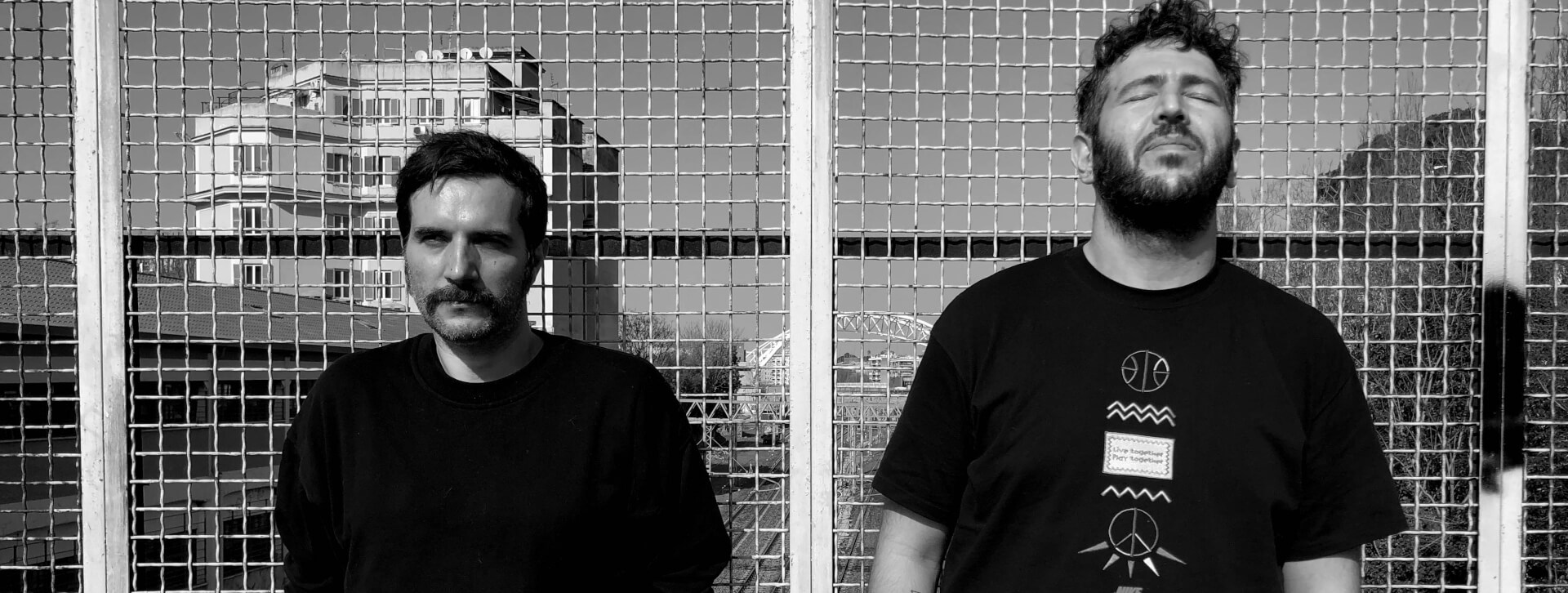
RODION & MAMMARELLA
Edoardo Cianfanelli aka Rodion was meant to become a classical organist. He became a hugely talented electronic music producer that became famous back in 2007 with his debut EP Romantic Jet Dance and never stopped to innovate since then. Fabrizio Mammarella is an incredibly gifted DJ, producer and label manager (Slow Motion / Wrong Era records). These two Italian friends are very close and share the same interests when it comes to Italo disco, house and new wave! Their latest LP, "Musica E Computer" was released on Slow Motion Records, Fabrizio’s imprint.
"Musica E Computer" is your fourth collaboration. Besides each of you participated to many duo projects throughout your respective careers. Being two people to produce electronic music : is music better this way?
Fabrizio Mammarella : Everything starts with mutual respect. We like to collaborate together. We would never work with someone we don’t like to work with. The key is artistic respect, and the exchange of a common workflow.
Rodion : Sometimes you work with people you respect but you don’t have a good personal connection with. This way you may lose lots of time. With Fabrizio, it’s a long-lasting friendship before anything, so everything is very fluid. After many years working together, we also improved in the way we make music.
FM : Yes, We found a perfectly balanced workflow, and our relationship is so deep that we can collaborate freely, without ego involved, it’s very satisfying.. Main goal is to achieve something we both like of course!
R: And well, making music with a friend is also a matter of keeping time for more relevant things : drinking good wine and spending good time together!
You both share the same taste for vintage synths and atmospheres. Where does it come from?
R: Oh no, you know I’m 47 today, those atmospheres are just part of my childhood (Dario Argento, John Carpenter, new wave), even if it may sound “vintage” in 2024 that’s just the sounds I grew up with.
FM: Same for me (even if Fabrizio is a bit younger), even cartoons or advertisements were made using the same machines, it was the normal music we’re listening to everyday. The vintage you’re describing is not an attitude, it’s just who we are.
R: Since we love this music, getting those “vintage-sounding” synths is the proper way for us to find the magic we’re looking for in music. We’re not trying to sound old.
FM: We’re trying to make modern music with old equipment, not the other way around.
R: You know, sometimes a 30-year old piano sounds better than a shitty modern Japanese synth (even if there are very good Japanese synths), so we’re going for the best instruments!
Fabrizio, why Slow Motion, why this choice of pitched down techno?
FM: Despite the name, Slow Motion records is not about speed. When we started in 2009, we wanted to promote electronic music made by Italian artists and cover all sorts of music with the label (more than 80 releases so far). Even if we had main slow hits like “Sambaca” (from the Back Guru EP, a Rodion and Hugo Sanchez project), Slow Motion has been an approach more than a bpm-related music style. We have techno, disco, housy stuff, everything. It is similar to the “slow food” concept in a way : enjoy what you’re listening to , take time, share good quality music.
How did it start between the two of you?
R: It all started in 2006 when I released my first “Atala Ride” EP on Gomma Rec. The day after they invited me to play live in Pescara, where we had very good parties at the time, we met with Fabrizio and we stayed very tight since then! Actually, I already knew about him since he began releasing stuff before and we had this connection through Hugo Sanchez and DJ Athome (Front De Cadeaux). The first release we did together in 2012 on Slow Motion was the EP “Appenini”, a reference to those beautiful mountains where we spent good times together, and that are located between our two places - Rome for Rodion and Chieti for Fabrizio. Then we also traveled together to places such as Mexico, we spent really some good and long time together.
FM: Once Edoardo told me : “Let's make music together, we should be like Lindstrøm & Prins Thomas!” (laughs). So he came to my studio, and it was our first record. I listened back to those tracks a few days ago and I still find them amazing! What I like most about them is that it sounds timeless. We don’t follow the trends and maybe this is our secret.
Could you tell us more about the genesis of your last EP "Musica E Computer", recorded in Museo del Synth Marchigiano?
FM: I have a friend who knows the guys running the museum. This museum needed to have artists play those instruments, and they also needed to be known outside of the geographical area. And they deserve it, it’s an incredible place! So they gave me three days to come there and record something. I immediately decided to bring Edoardo with me because otherwise, I would have made probably nothing, especially in 3 days! I needed someone with both technical and artistic knowledge. I was lucky I knew him.
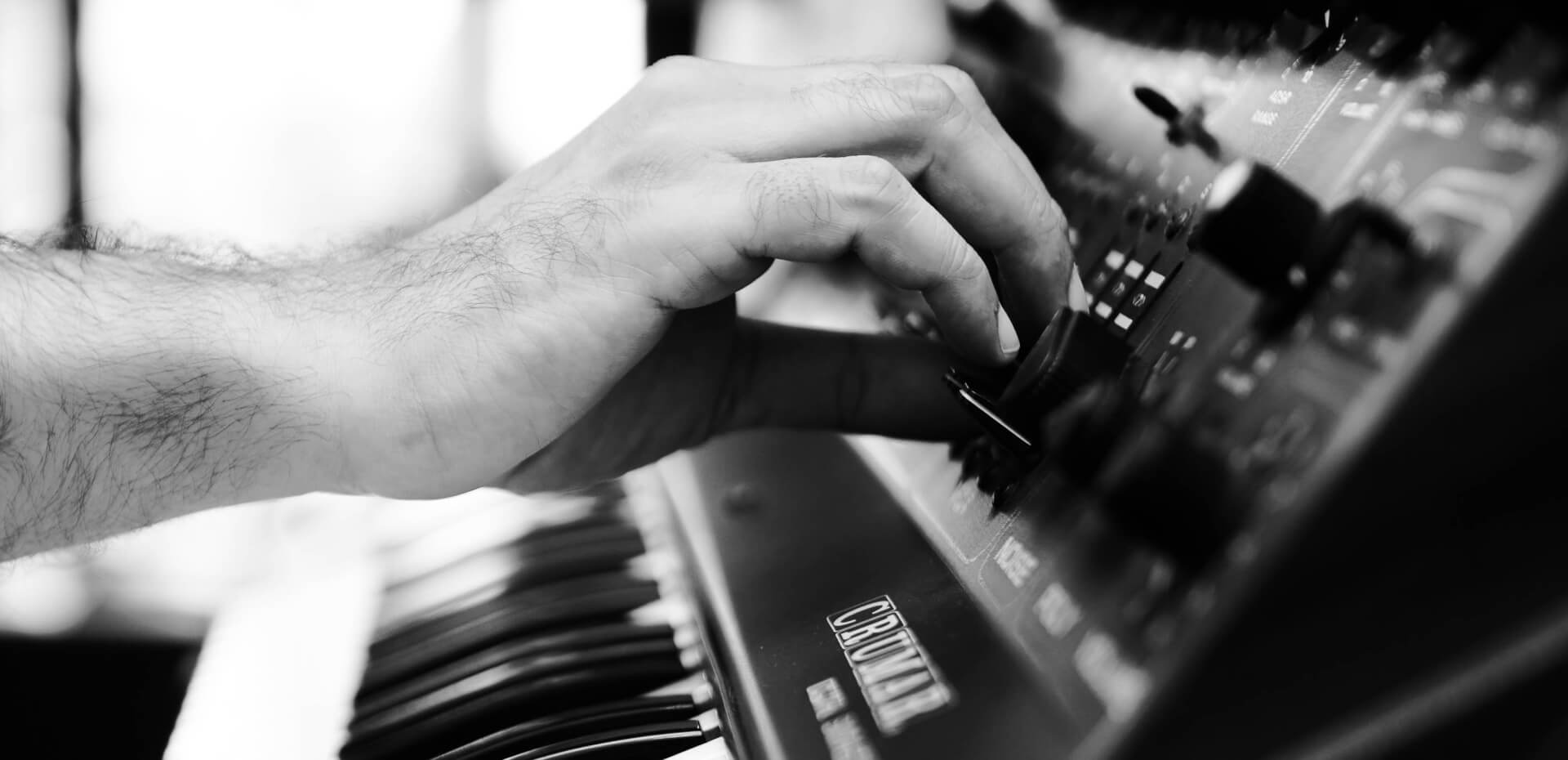
R: Actually, it all happened shortly after the pandemic, we hadn't met for a long time. I didn’t expect the place to be that good, I was amazed. Those crazy guys collecting hundreds of instruments, they have almost every electronic music instrument created in Italy for the past 40 years, and most of them still work! In fact, most of synths producers such as Elka or Crumar, were located in Marches - Italy’s region - back in the days. They were big companies with a huge part of churches’ electronic organs market, they had very creative and talented sound engineers and they built all kind of instruments. Sometimes, prototypes that were never released and that we could use during the recording session! We had access to a lot of amazing and incredibly rare machines and we were helped by Agostino, the technical manager of the place. Also, a very good musician and producer. The first 2 days in the museum, I could barely talk. I was so amazed. We wanted to try everything! We started recording some incredible drum machines and then we added layers of different synths. We really tried to make the most of those three days. Then we came back home with all this material. Fabrizio had this inspiration of picking up the best parts (Rodion refers to picking up the grapes when you produce wine) and building the tracks, and the album was ready in no time!
FM: The process of creating the album was really smooth. We finished doing the arrangements the two of us, it barely took us a couple of weeks.
You must have some material left for another EP then?
FM: No, we don’t. We squeezed all of it! But we should be back there soon since we’ve been asked to do the follow-up album!
Iris, by Rodion & Mammarella
A Corrente Alternata, by Rodion & Mammarella
Un Segnale Di Speranza, by Rodion & Mammarella
Accelerazione, by Rodion & Mammarella
La Domenica Del Villaggio, by Rodion & Mammarella
Errore Di Calcolo, by Rodion & Mammarella
La Memoria Dei Sistemi, by Rodion & Mammarella
Una Nuova Era, by Rodion & Mammarella
Where does Italy stand today in the electronic music stage?
FM: We’re living in a moment where Italy has so many great artists and musicians but we are lacking places to showcase them. Clubbing scene is very poor today, compared with other countries: you have maybe 200 clubs in Berlin while in Rome you don’t have even 10. We need more venues, more clubs.
R: I agree with you, Italy is a bit neglected and isolated from the European electronic music stage. But this also brings its upside of developing an underground culture, a culture where artists are making music without trying to become famous, with less influence from the outside, it’s very special and it’s very interesting too.
FM: Yes, the lack of a scene gives you the drive to build up your own scene.
R: It’s a little bit like what happened back at the creation of Italo disco. Those guys never met with the black artists and they created their own style!
What about Meloni’s anti-rave laws? Does it affect the scene negatively?
R: Let’s forget about this kind of s… and just live! Unfortunately, this is the world we’re living in today. We can only try to be better people, make better music and be more civilized people.
Rodion, you once said that playing electronic music is more exciting in countries where the scene is less developed. Where do both of you still find this excitement?
R: Sometimes it’s no fun playing when people are bored and not curious anymore. In Rome, people are often more curious then in London, Paris or Berlin!
FM: Asia is really amazing. Maybe because they don’t have our clubbing background. From a musical standpoint, they are experiencing what we were living in the 90s. The first time I played in China, the energy was insane! I was in Japan lately, I also felt a huge respect for the sound system and the artists. Mexico is very special too.
Your next projects?
R: Lately, I’ve been more into classical music, I finished my composition degree, so I’m still touring and playing here and there but in a less hardcore way than I used to. Didn’t know that we had the opportunity to do the follow up of Musica E Computer and I’m very much excited by the prospect of going back there and working again with Fabrizio!
FM: On my side, I worked on a few remixes for English and Italian artists such as Il Bosco and IMS (International Music System, a pioneer italo disco label dating back from 1983), I made new music with Philip Lauer for our Black Spuma project and with Franz Scala for our Sesto Senso project. Slow Motion is going to be distributed by K7! Music which is big news for the label. Good times ahead!
What are you both foreseeing for the future of electronic music?
R: Difficult to foresee but there’s a good chance the future lies in the way musicians will use artificial intelligence, in the relationship between man and machine. We actually already know of some artists that are creating music with AI. I remember this history of the US drum players syndicate complaining about the rise of drum machines in the 80ies. We’re living in the same situation today with AI. The key will be how we will take advantage of those new tools.
FM: That’s the keyword : new tools. People are scared of AI because it’s new, but at the end of the day, without human impulse nothing good comes out!
Interviewed by Le Pépiniériste / Photo Giovanni Ghiandoni / Proofreading by Larraine Dela Rosa