2025-05-03
PIERRE CHRETIEN
Prolific musician and composer Pierre Chrétien returns with Cinephonic for a third album. "Refuge," a limited edition of 300 vinyl copies on Marlow Records, is a clever blend of classic 50's Jazz and some boom bap influences. Cinephonic is a special project for the cinematic musical creations of Pierre Chrétien, best known as the leader of the Souljazz Orchestra and the Atlantis Jazz Ensemble. Pierre explains to star wax the creative process of 'Refuge', 12 tracks dense altered chords, chromatic progressions, whole tone scales, unusual melodic constructions…
Hello, a glass of?
Hehe, that’s such a French question… This last Cinephonic album has a bit of an impressionist feel, I’m gonna say absinthe.
Could you tell me about your first experience with vinyl?
I grew up in the late 70s and 80s, so vinyl was all around me as a kid… I had an orange Fisher Price turntable that I loved, and my parents had a nice hi-fi that I wasn’t allowed to touch. Even in the 90s, when vinyl wasn’t so popular, I still had my own turntable and collected vinyl. Then, when I started making my own music, I tried to always make it available on wax, I’ve been putting out vinyl records for about 20 years now.
Could you tell me about your first experience with beatmaking?
Well, I don’t want to disappoint you, but I don’t really consider myself a “beatmaker” per se. I’ve used samplers before, and I’ve programmed drum beats, but it was always to serve a larger composition. To me, a “beat” is a few bars that repeat constantly, to which you might add or subtract various elements. That being said, when I was about 12 years old, my parents got me a Technics keyboard that allowed me to program little beats, I guess that would be my first experience with that kind of thing.
Can you explain the artistic vision-direction of “Refuge” compared to your two previous LPs?
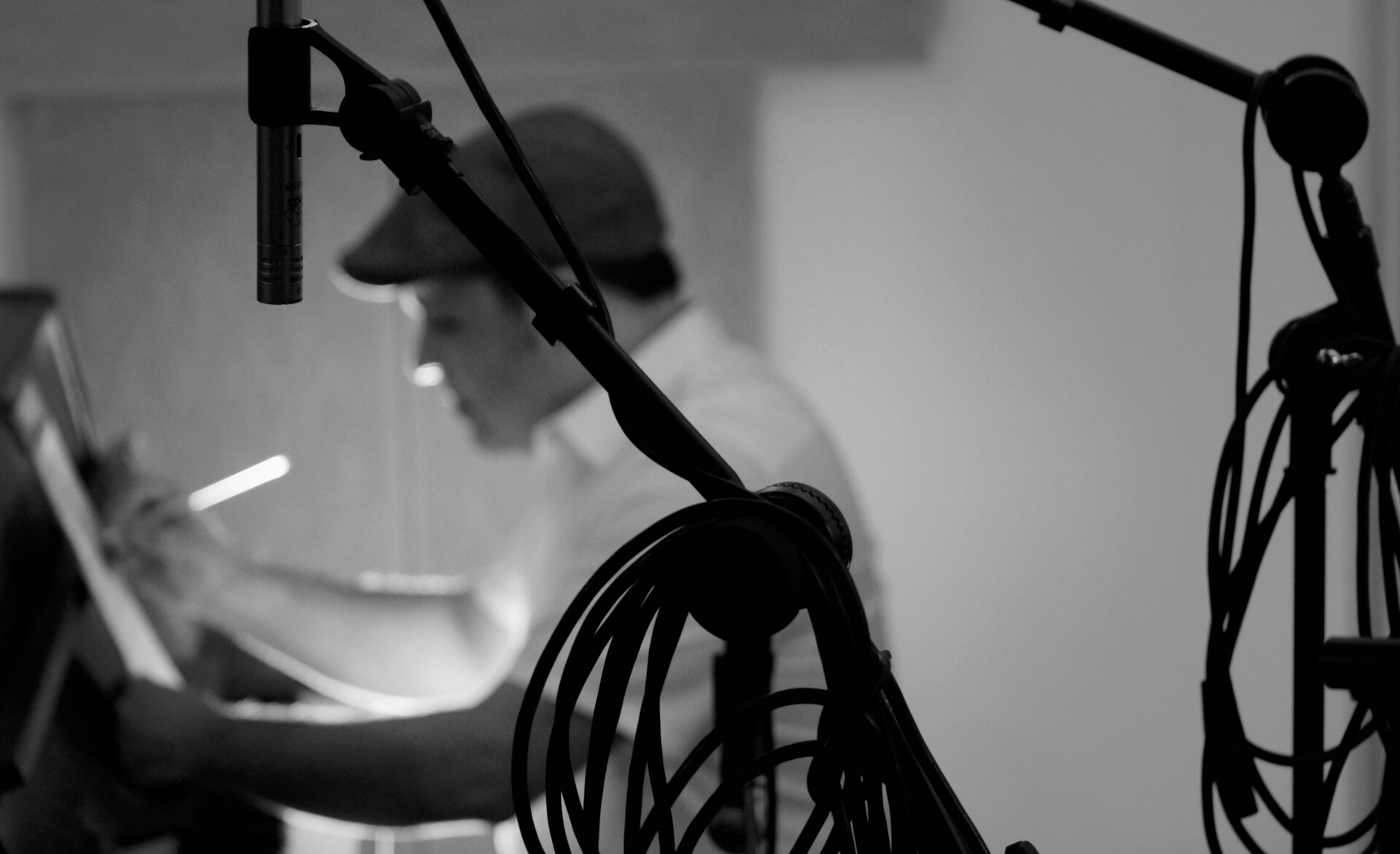
Well, Cinephonic’s first two albums were a lot bigger, much more orchestral… On “Refuge”, I wanted to create an album that was still evocative and cinematic, but much smaller, much more intimate, using only a jazz trio. I also wanted to try a bit more of a hip hop approach on this one, so after we laid down a full album's worth of original jazz tunes in the studio, I then used this recording as a sample source, and flipped it into kind of an instrumental hip-hop record.
La cité engloutie, by Cinephonic
Pluie en ville, by Cinephonic
Vapeurs, by Cinephonic
Métropolitain, by Cinephonic
Temps perdu, by Cinephonic
Coin de rue, by Cinephonic
Café, by Cinephonic
Reflets dans l'eau, by Cinephonic
Asphalte, by Cinephonic
Ondée, by Cinephonic
Taxis jaunes, by Cinephonic
Refuge, by Cinephonic
Via Cinephonic's Bandcamp you specify in the description: "The idea is to add another artistic dimension to the sound, while keeping things raw, and avoiding anything too slick, or gimmicky, or commercial sounding." Very good idea, « Refuge » album sound good and it plays but it is accessible, without real risk-taking, without dirty texture?
OK, I’m going to tell you the real story behind “Refuge”, it might help you understand where I’m coming from... Two years ago, my lovely wife was diagnosed with a rare and aggressive form of cancer. This was absolutely devastating to my wife and I, as well as to our eight-year-old son. I wasn’t dealing well with the whole thing. During the following months, we spent a lot of our time at the hospital, for various tests and treatments. That’s when I started hearing these tunes in my head – warm, comforting, self-soothing kinda tunes – it was almost like a defense mechanism kicking in, a “refuge” or an escape from the harsh realities of life. When we would get home from the hospital in the evenings, I’d run to the piano and jot the tunes down before I forgot them. Eventually, I accumulated quite a few of these, so I decided to make the next Cinephonic album out of them. The rain motif that keeps coming back throughout is a bit of a metaphor for this ordeal.
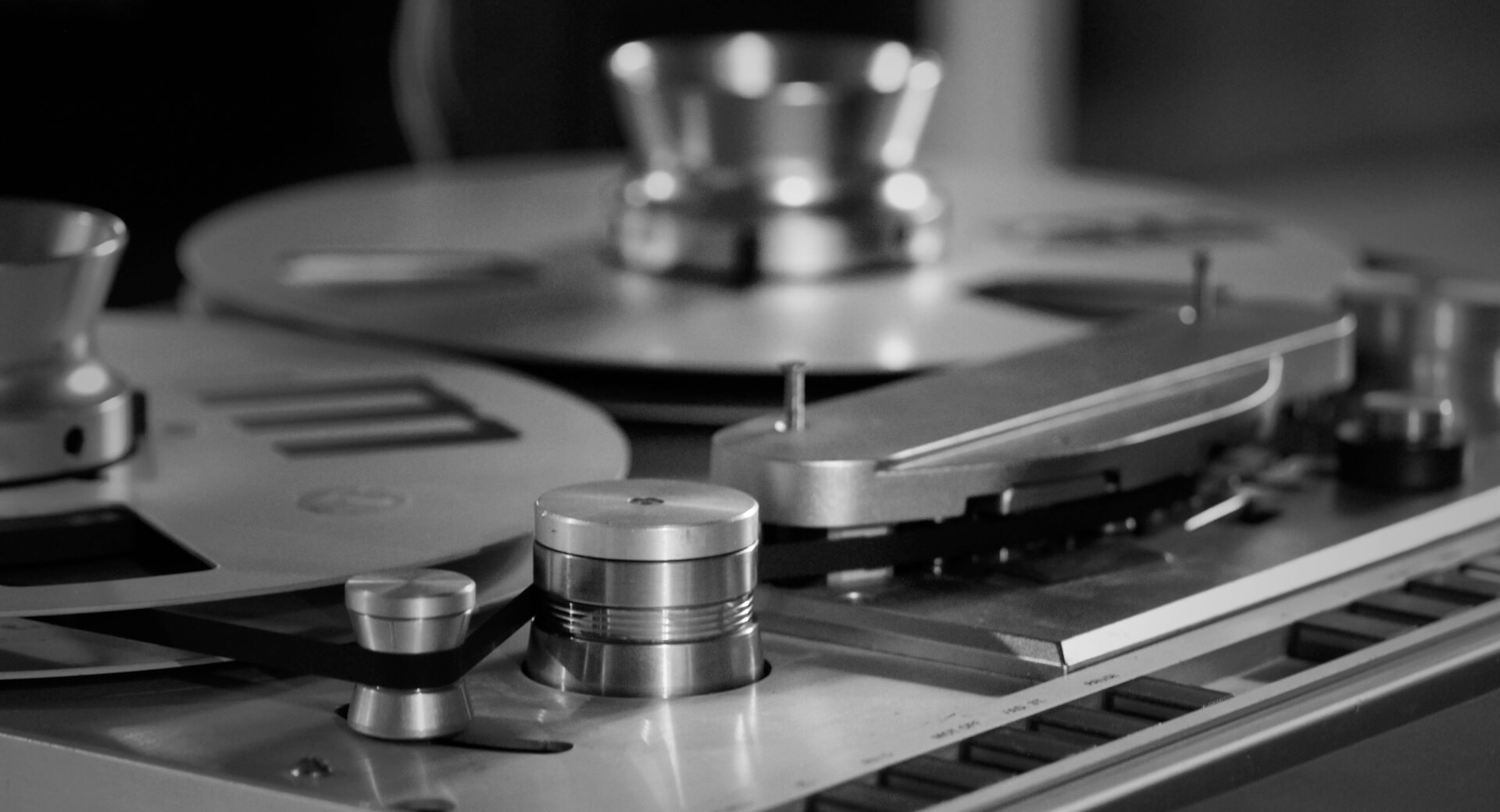
Now, to get back to your quote… Whenever a jazz musician dabbles in hip hop, it often ends up sounding real corny and cheap – you know, the B-grade rapper laying down rhymes over some lame jazzy beat with a few trumpet stabs here and there… It really wanted to avoid that sound at all cost. When I say I wanted to keep things “raw”, I meant I wanted to preserve the essence of our original jazz performances, the acoustic sound of the instruments, the analogue quality of the recording. I was going for a classic 1950s Rudy Van Gelder type sound, somewhat vintage but good quality, nothing over-the-top trashy and dirty – those old jazz records really sounded great.
And when you say “accessible”, on some level you’re right, I wanted this album to have a warm, soothing quality to it – a musical “refuge” from life’s adversities. But on the other hand, I wouldn’t say that it’s completely void of “risk-taking”: these pieces are filled with dense altered chords, chromatic progressions, whole tone scales, unusual melodic constructions, thematic development…. These aren’t exactly elements you’ll find in your average chart-topping “beat”. Charlie Mingus once said, “Anyone can make the simple complicated. Creativity is making the complicated simple.” If I can convince you that these elaborate jazz compositions are “accessible”, well then I’ve done my job right.
Of course, musicians don't like labels; musical genres are for journalists and for organizing the crates in stores, and also online now. Lo-fi music is trendy, sometimes overused... Why do you use the hashtag lo-fi and what is your definition of lo-fi?
You’re right about the term “lo-fi” being overused. At its worst, it seems to refer to this lame synthy “spa” muzak that might as well have been created by AI. But when I think of lo-fi, I think of the lo-fi hip hop music created by the likes of J Dilla or Madlib, or even some of their precursors like Pete Rock, Premier or Q Tip, with that warm, vintage, analogue sound their productions have.
One of your top 3 favorite tracks of “Refuge” LP and why ?
I really like the opener myself, “La Cité Engloutie”… It kinda encapsulates in a single song what I was trying to accomplish with the album as a whole… It has a really simple melodic theme on the top, but underneath the chromatically descending harmonies add an underlying layer of complexity. I dig my vibraphone solo on it too, considering the changes are a bit tricky – initially, we were supposed to have a separate vibraphonist on the album, but he ended up moving away before the session, so I had to step in and play the vibes myself… It all worked out in the end though.
What comes to your mind if I say turntablism?
Making music by manipulating vinyl records on a turntable. We played a festival with Kid Koala once – now that’s a turntablist.
Oh yes Kid Koala rock it ! There are some scratches in your album but there is no credited tablist, are you trying to add the turntable to the instruments you play?
I did add a few scratches to the album, but I don’t consider myself a turntablist. It would be interesting to take it up seriously though, at some point.
Your favorite video link of Cinephonic work?
I like the video to “Béton et Ferraille”… I created it from an old documentary, sponsored by Pepsi, that ended up in the public domain. It’s strangely poignant – video below.

What comes to your mind if I say analogue?
Tape, vinyl, etc - not digital 1s and 0s.
What are your favorite record stores and when you are diggin what kind of record are you obsessed with?
The Record Centre in Ottawa, Dusty Groove in Chicago, Bétino’s in Paris, Honest Jon’s in London… I go through different phases, right now I’m into obscure 50s jazz – Elmo Hope, Sadik Hakim, Al Haig, that kinda stuff…
Your top 3 venues to listen to music in Ottawa?
Well, Ottawa and Gatineau are two twin cities, on each side of the Ottawa River – one is in Ontario, the other is in Québec, but it’s really like one big city… So right now I would say Le Minotaure in Gatineau, plus Irene’s and The 27 Club in Ottawa. A lot of great places closed down in the last few years though.
Your top 5 new releases?
I don’t listen to as much new music as I once did… I’ll say:
-“The Auditorium Vol. 1” by Common and Pete Rock
-“Jazz Is Dead 11” by Adrian Younge and Ali Shaheed Muhammad
-“Letters from the Atlantic” by Butcher Brown
-“The Loneliest Flower in the Village” by Nostalgia 77
-“Afro Trane” by Nat Birchall.
Your top 5 oldies?
That’s a lot harder… There’s too much amazing music out there, pass!
What makes you proud today?
My son Raphaël.
What job would you like to do if you weren’t a producer-musician?
I’d probably be a visual artist of some sort, I do some graphic design on the side.
Your future projects?
I plan on starting the composition of the next Atlantis Jazz Ensemble album soon… We might incorporate more horns on the next one, it’ll be interesting.
Interviewed by Dj coshmar / Photos by Jason Jaknunas