2022-10-10
MONOCONDA
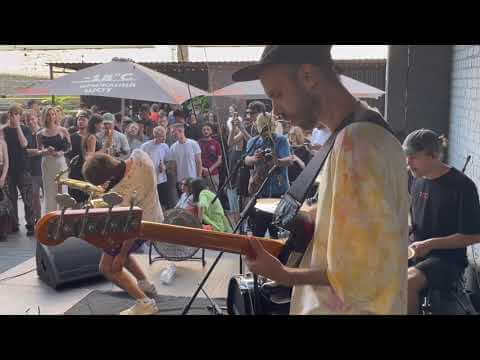
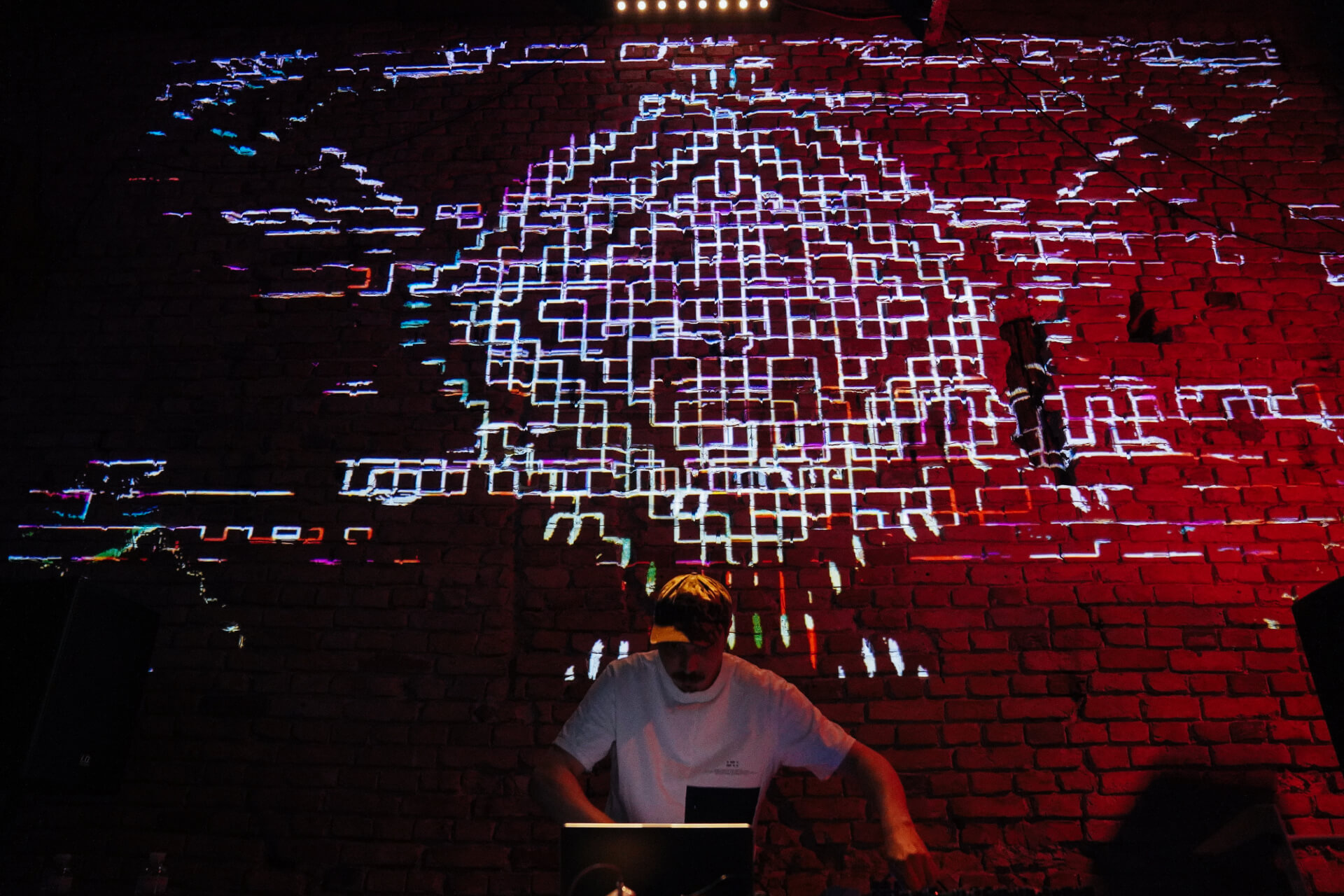
Oleksandr Filonenko aka Monoconda is a multi-instrumentalist, electronic music producer and live performer based in Kyiv. Originally, he was composing music for advertisements, theaters and public places. In 2018, he started to produce his own music fusing Experimental, Ambient, IDM, Electronica, with a cinematic aesthetic seep perceived throughout each album. In 2019 he released “Alphabet”; his second Lp "Low Light" was recorded during the pandemic in 2020. In 2022, “Identity”on Kashtan records was released just before the war and this Summer, still on the same label, his last album “Horizon”, incorporating Detroit futurism, New Wave notes and atmospheric sound. The result is an immersive listen in a deep isolation dreamscape. The Ukrainian autodidact speaks about his influences, career and current Jungle and Dub project “Sensitive Content” collaborating with Jazz musicians.
Which instruments do you play? In which music environment did you grow up?
Well, I started my way as a guitar player, performing in different local bands. One of them called Gouache was led by a composer Ivan Rozin, who was working as a commercial composer on a Kyiv Postmodern studio and there I started my self-study sitting behind his back learning how to work in Pro Tools. I first mastered bass, as it was the closest to guitar. Then keys, percussion and drums cause I got that feeling of rhythm since childhood, when I like ruined all the home furniture with drumsticks my dad bought me once. Then synths, sequencers and all that. And I continue to learn. My recent researches go in the field of orchestration, which I’ve done for the theater and I continue to implement them in my future releases.
You have 15 years of experience in music composition for advertisements, Theater, Cinema…
I was working on lots of projects for commercials, theater and TV. A year ago, I started a business called Urban Soundscapes that is creating an exclusive audio content for a public place like parks or business centers or whatever. Once I was working for a Theater on Podil in Kyiv, where we recorded an orchestra right on stage to capture the theater atmosphere and environment. Once I had a Ukrainian Orthodox Church as a client and we were recording the church choir in one of the biggest cathedrals of our city — St. Michael’s Cathedral. Despite I’m not a religious person, that was quite an experience. Got like hundreds of works for commercials like McDonald’s, Puma, Mastercard, Skoda, Tuborg etc. There were musicals, orchestrations, boys’ bands, electronic, jungle, jazz, metal. I have to say that it helped me to learn the genre's basics so I got more understanding of music at all.
Why did you name your project Monoconda?
The name comes from my biggest fear, actually. That project started when I had an anxiety problem when I quit smoking. That time I learnt that to manage your fears and to fight them — you have to look them in the eyes. Like you look in the eyes of a snake. Cause snakes are what I fear a lot.
Which are your main influences?
There was something magical about Warp Records in the 90s. That time I happened to be a kid so when I first heard Aphex Twin, my life changed. James Holden is also the one that inspired me. I listen and admire many artists and producers, that’d be quite a list. Mike Dean, Trent Reznor, James Blake are among my favorite sound producers. I’m also a big fan of academic music like Liszt, Mahler, Silvestrov.
What are 5 of your favorite albums of all time?
Aphex Twin – Drukqs; James Holden – The Idiots Are Winning; The Prodigy – Experience; The Dark Side Of The Moon by Pink Floyd; To Pimp a Butterfly by Kendrick Lamar. If it’s about five. It was hard.
What is the biggest inspiration for your music?
The biggest inspiration is an instrument I can’t play, a new plugin I have to master, some strange synths I haven’t seen before. And life itself with all its tragedy and comedy.
What is your current live setup and since when do you perform? What was your best gig?
Speaking about my live setup — it’s a constantly changing thing. It can change twice before this interview is out. My favorite gig was probably at a Brave Factory 2018. That was the first time for me to play a show for like 3.000 people and it was like the second gig with this project. I was scared to death and anxious as hell. But I have become much stronger after that. Cause a big stage is always a battle, it’s much more comfortable to play in more cozy and small spaces.
How did you decide to produce in 2018? What’s the bridge connecting your work for cultural spaces and your project Monoconda?
Well, not that I've decided anything. I’ve made lots of music before that and had a lot of session musician experience, I was even running a band called Tape Flakes for a couple of years. But 2018 was probably the time I somehow found myself as a musician. That’s the starting point when I can even listen to the records I’ve done.
The music you create has a deep, soaring and hypnotic cinematic atmosphere. Are Sci-fi and cinema a part of your influences?
Yep, for sure. I’m glad, you’ve noticed and glad it can be heard. I’m a huge sci-fi fan. As well as a fan of these movies’ soundtracks. Blade Runner, Star Wars, Star Trek, Interstellar, Annihilation, Solaris. I’m also a big fan of Miyazaki animation films.
When and how did you meet Kashtan Records and decide to work with the label?
Vera Logdanidi is a notable figure for our musical scene so we’ve always been somewhere around. I once sent here a couple of demos for a Kashtan radio show, then she invited me to take part in Natura festival, for which I managed to make the Horizon album. Cause it’s a special festival, happening in the woods out of Kyiv. And I wanted to create this magical wood atmosphere.
How did you produce the album “Horizon”? What are the key pieces of gear or software and instruments that you used?
As it happens with my live setup and life itself — my studio gear is constantly changing. I was very much into Elektron devices, so the main machines here are Digitakt and Digitone. That flow, when you program more rather than play, was quite interesting but then I sold them cause I’m more of a hands-on musician, I like to play literally. I’m a huge fan of Moog company, I got a Little Phatty and a DFAM. Also had a SIRIN but changed it for an ELTA music Solar 50. I also used my Rickenbacker 330 in a Horizon track.
How important is technology to your creative process?
Well, technology is something that changes the sound, the flow, the feel. Once the TR808 or electric guitar appeared — they changed the world of music forever. It’s bringing new genres to life. Nowadays we live in the world with an enormous amount of musical expression tools available at a very affordable price. So, the threshold for being a musician is as low as it has never been before. Anyone can try and hit the charts. But the question is : is that music made by humans or it’s the machine that you just operate?
What is your favorite part of the creative-production process?
Well, the process itself — is the thing I love the most about being a musician. As Aristotle said — the only action that is happening for the love of a process — is a truly virtuous one. And when it’s an instrument for reaching some egocentric wishes — it’s the other kind, more like about crafting than about art.
What effects are you looking for on the listener?
I’m not, actually. To be honest, I don’t think we all have to explain the things we do as artists. Because that mystery and a question in what you do — is a part of conversation with the listener. People have to find things they’re looking for in art. I’ve noticed that trend recently, that any artwork has to have a context explained. But the thing is — we all put ourselves in our art if we’re sincere. And the best trophy to earn for that — is to hear from listeners, that they’ve felt or heard that.
I’ve read that you said “the vibe of the record overall is narrative and close to psychedelic”. Could you tell us more? What’s the common aspect of the tracks included in this album?
I’ve done some experiments with psychedelics so I put a part of that experience in my music. This release was meant to tell a story of a journey behind the horizon. It can be a guide for that journey or the journey itself.
Do your productions reflect your need to refocus on the essentials and try to “escape” from the war?
Well, I guess the concept of escaping from the war is a bit infantile. Just because you can’t. Even if you’re a refugee somewhere abroad. I will always remember that feeling when I was in the evacuation in the Carpathian Mountains. When the beauty surrounds you from everywhere, but you just don’t see it through the war filter. I always work a lot, cause I love it the most. I started to make music two months after the war started. First two of them you can’t even hear the music. That’s the thing we all share here. That’s sad. But it is of course a sort of therapy for me. We have accidentally started a live jungle/jazz/dub project with my fellow jazz musicians called Sensitive Content these times. Have recorded two more releases, that are waiting for a proper time to be released. And I continue.
What are the differences between the albums “Low Light”, “Identity” and “Horizon”?
The main difference is the context and my personality changing through time. Low Light was created in the first two weeks of Covid-19 pandemic. Horizon — the year after when we were almost like back to normal. Identity — a month before the war started when we all felt what was about to happen. Guess, you can hear that. It’s also about the production method. Identity, for example, was recorded on my three Moogs just 3 tracks for a song. While in horizon I’ve used like all I got including the guitar, VST synths by Arturia and all.
Who would you most like to collaborate with? Any collaborative work in progress?
We’ve recorded an album and an EP with my friend and colleague Koloah. Looking for a proper way to release it. Also, I’m now a part of the Sensitive Content band. We play jazz-like jungle, d’n’b, dub live. I’m constantly open for any interactions with the people I like.
You belong to the most talented Ukrainian producers, what is your greatest satisfaction?
Thanks. My greatest satisfaction is when the groove comes out or a timbre being made, or a track finished, or an album created. I’m a huge fan of the process itself. And of course, I love when it comes live and people react properly to the things I’ve done. Cause then I see we share something in common. That makes you something more than one human.
Can we define your sound as “Futuristic”?
I don’t know, it’s up to you. I’d like it to be defined as the one, surely. Guess we’ll see in the future.
Monoconda in 3 words.
Thoughtful, sunset, dance.
Do you want to add something?
Nope, thanks. Had fun answering these questions. Thank you & go listen to my music-click here!
By Sabrina Bouzidi.