2026-05-22
KAI ALCE
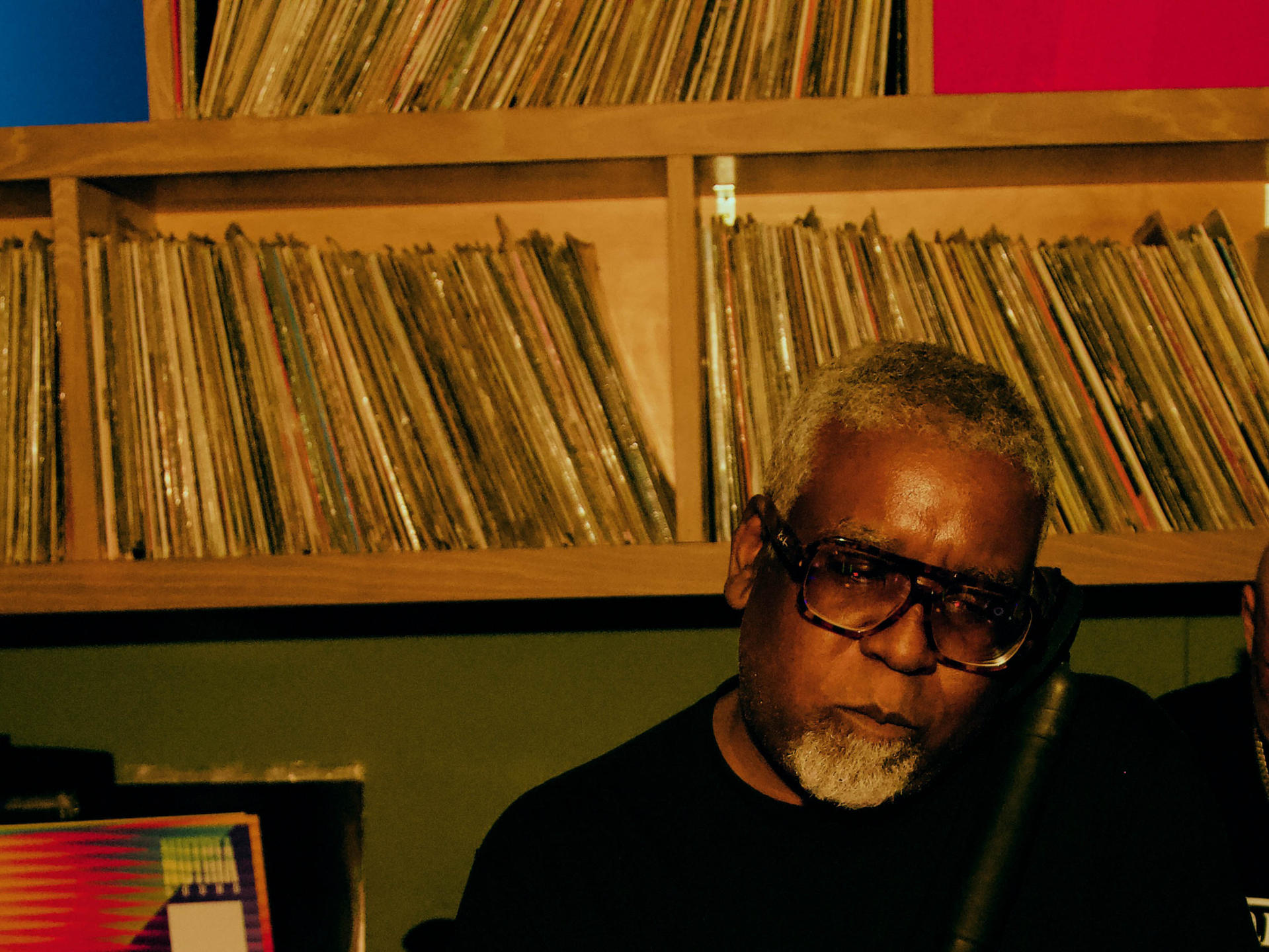
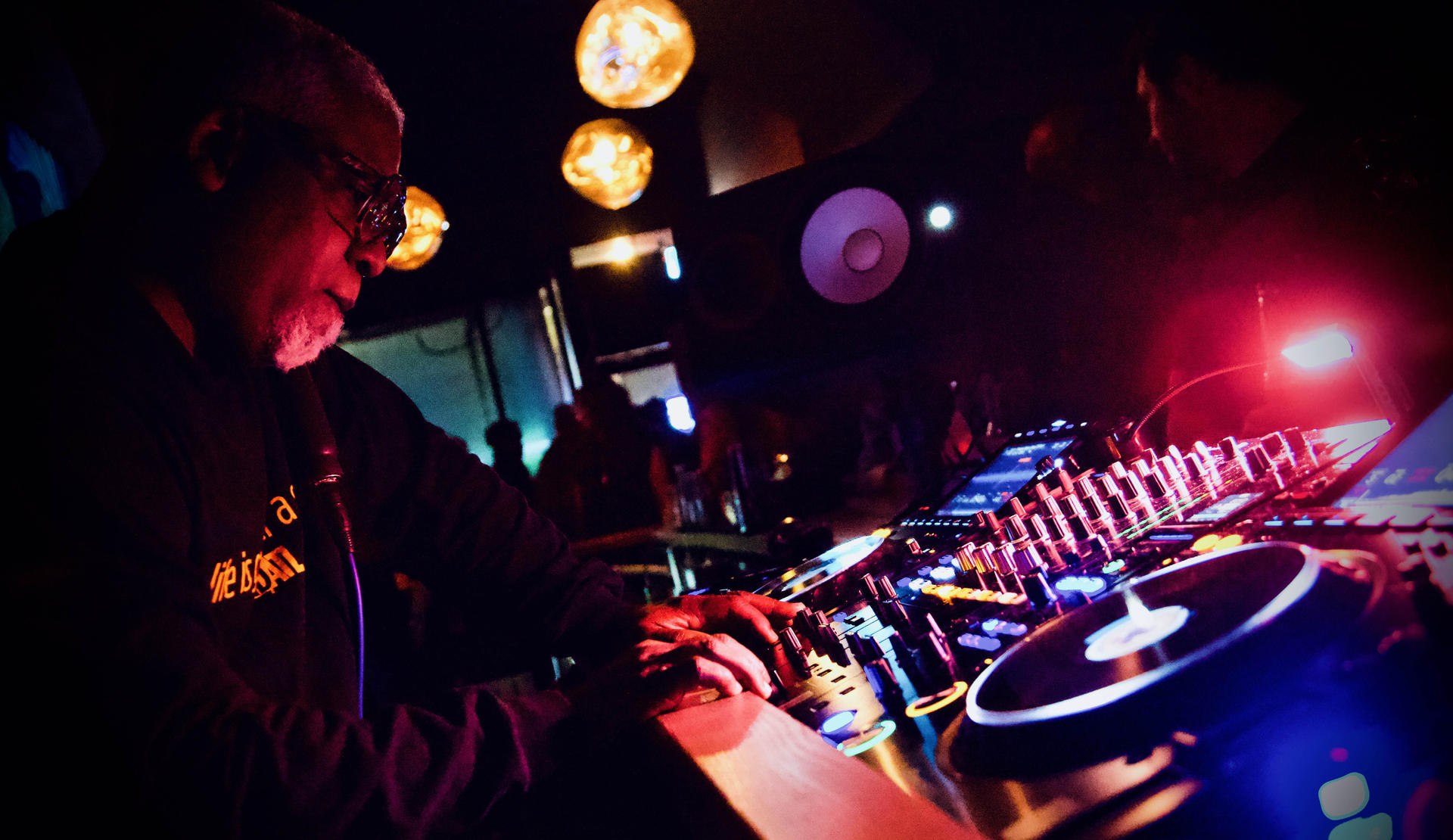
A native of Flushing Queens, Kai Alcé discovered the beginnings of the Techno and House club culture scene in Detroit, starting out to do coat and lighting at the legendary Music Institute. He eventually settled in Atlanta. It was in this city, better known for its hip-hop scene, that he launched his DJ career. Thanks to his efforts and the House in the Park event, Atlanta is now also recognized for its house music scene. Since 2008, he has been spreading his musical vision through his label, NDATL Muzik. We interviewed the legendary Kai Alcé on the occasion of his contribution to the remix album “This is Neo-Soul” by Mark Adams, the Lead Keys/Rhodes, music director for Roy Ayers for the past 20 years.
Welcome! A glass of?
Hibiki.
Where and in what environment did you grow up and did you have vinyl records at home?
I grew up in New York & Detroit, in a home full of music. My dad being a lover of Jazz & and an audiophile I was exposed to vinyl, reel to reel & into CD’s. On some the best hi-fi equipment.
Your first approach to Djing?
I got my 1st set of turntables in 83’, initially you just want to master the mix. Once I think I felt I learned the basics then I think I just gravitated to those that moved me.
What is your best memory of the New York club and DJ scene of the early 80s? Did you went to The Gallery or Paradis Garage?
So unfortunately I did not experience either of those two spots. When I started partying in NY there would be places like Nell’s, Mars, Save the Robot, The World, Sound Factory & Sound Factory Bar, etc.
Maybe you experience hiphop block party?
Growing up in Flushing Queens and as a youth I did experience a few block parties & roller skating rinks as well.
What year do you moved to Detroit and can you tell us about your first job at Music Institute? I believe it was one of the first techno clubs and Downtown Detroit was deserted…
We moved to Detroit like 81’ which shortly after was when I started to hang out. In 88’ yes I was hired at The Music Institute by Chez Damier, to do coat check & work the lights.
Is it in Music Institute that where you met Derrick May, Kevin Saunderson…?
I met them through Chez as he was A&R at KMS Studio & I would always be down there hanging at the studio.
There wasn't much techno and house vinyl yet, did you spin disco records and when you were digging, what obsessed you?
In Detroit we would play a lot of ItalioDisco stuff, what we would then call progressive, and the usual Salsoul, Prelude hits.
What happened to you during the 90s, when did you start composing and producing music? Also you moved to Atlanta…
I went to Morehouse for college & ended up relocating there. This is where I started playing professionally. During those years I was going back & forth between Detroit & New York. Started working for Satellite records - the Atlanta branch - which in there I made & strengthened connections with labels & producers alike.
What comes to your mind if I say Mark Adams and David Schwartz?
My introduction to both is this project but if music indicates the person then they are boh all stars.
Can you explain your creative process for your great "Talking Walls" remix from Mark Adams original song, why did you choose this track and the concept of your remix, what you keep, what you play…?
And I think you got few Mix? Well it already having an Classic R&B vocal I knew I could put it on a fourtothefloor beat, which funny didn’t happen the BBQ mix came first the delivery put me in the mind of the 80’s classic Cherrele “Saturday Love” then with some help from Chris Irvin it was done. Listen and buy the remix here.
Back in 2002, "The Kaizer EP" was your first release, correct? And how did you meet the man behind the young record label call Track Mode?
I knew Brett Dancer from Detroit, we used to hang out, but then lost contact for some years when he moved to New York. Though on one of my many trips back to NY in the 90’s we linked back up. In 96’ is when I started my production journey which led to the Kaizer EP!
In 2004, still with Track Mode, you released "Sa K' Pase". Can you tell us about your relationship with Creole culture and do you want to convey a message with your music?
I am the first generation Haitian American from my family. The music is a message of my overall upbringing, which includes Haitian, New York, Detroit all the environments that had an impression on me.
You've released tracks on numerous labels, why did you launch NDATL Muzik in 2008 and then more recently Nutria Sounds? Did you have a specific artistic vision?
NDATL was first to give me an outlet for my music without having to go to someone else to release as well as finally taking advantage of all the connections I have made along the way. My only vision was to put out tracks that exemplified the places that have had the greatest impressions on me which are Detroit, New York, Chicago & now Atlanta. Now the creation of NUTRIA was to not always be dancefloor focused leaving a little room some musicality shine thru, while keeping you foot tapping.
Has your spinning style evolved since the 90s, and how long do you think a good set should be? Do you have a maximum BPM, etc.?
I think a good set 3 hours or more. BPM depends on what your playing. But overall for me I’m usually in the 118-128 BPM range.
You are living in Atlanta, and you spread Detroit's music and party vibe there. Today, many people think Atlanta is the place to be for hip-hop. Is that the case for all kind of electronic music?
Correct when people think of Atlanta they definitely think of rap, but over the years that perception has changed. With our annual event House in The Park, Atlanta is not only being recognized but respected with artists like Stefan Ringer & Byron The Aquarius.
Do you play any musical instruments?
I am just an amature keyboardist, the wonderful solos and more advanced keyboard work you hear in my productions are usually my main keyboard collaborator Chris Irvin & sometimes Byron The Aquarius
How your music production gear evolved since the 90s?
Well I started with MPC2000XL & Juno which I still have & use now, since then I’ve added a few more outboard things & use Logic & Machine.
Some DJs are nostalgic for the past – vinyl only … while others don’t care, for example recently we interview Alan Oldham and he said: “The music has never been better. I can’t keep up with all the quality promo releases. Especially in techno”. What do you think?
I am not nostalgic for the past but I do believe knowing how to play & program with vinyl, which is DJing in truest form. If you don’t know how then you have not met your full Jedi potential. (laught)
What does Paris represent for you and what do you think of the club and vinyl scene here?
Paris has always been a player in the game from Fnac to the Rex, Djoon, La Mona my guy DJ Deep! All Star!
After such a long career – 3 decades, what motivates you?
Music.
What’s your motto-adage, your favorite quote?
Life’s good after a session…..
Interviewed by DJ coshmar / photos (c).