2025-06-15
IN STUDIO WITH THOMAS VAN NESS
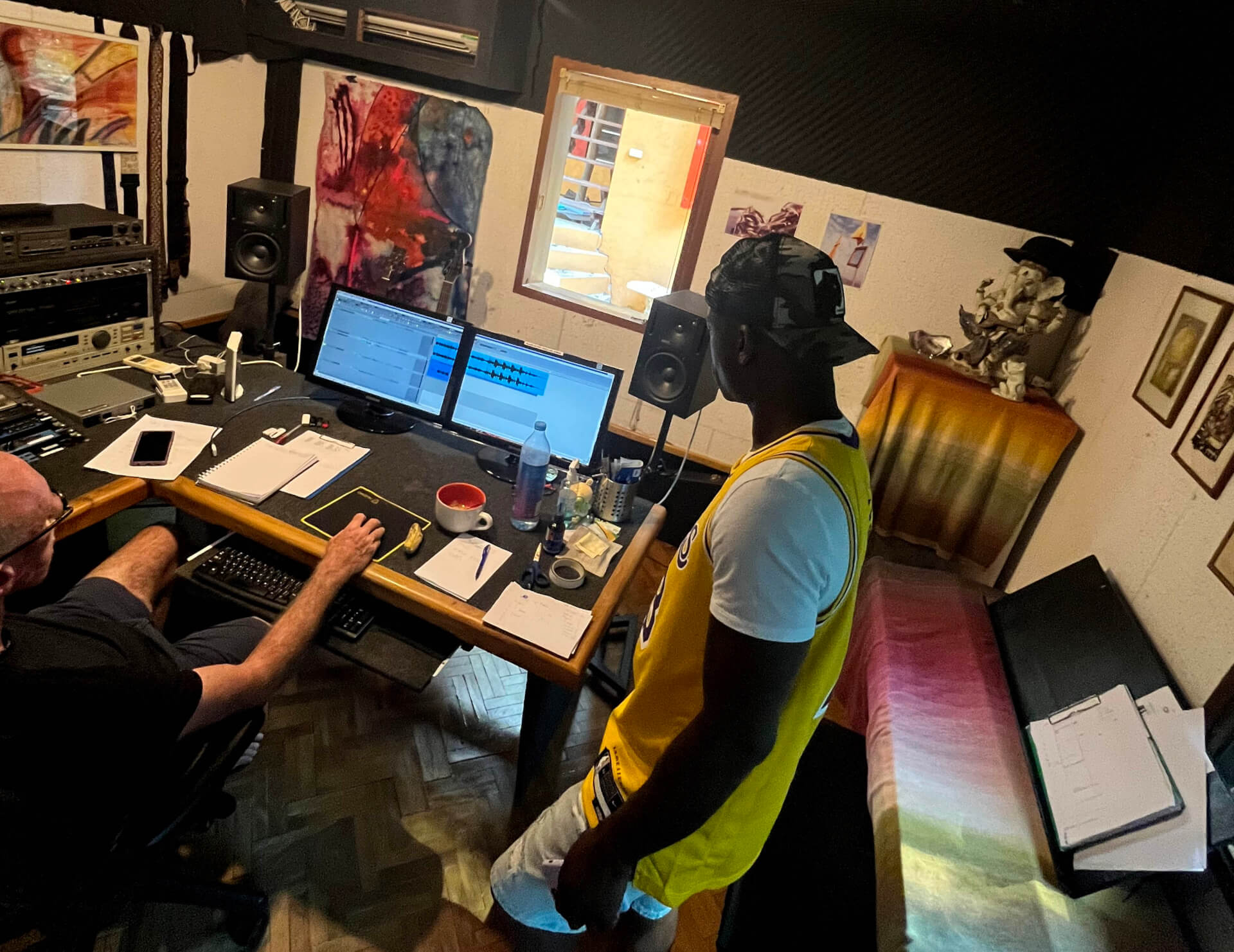
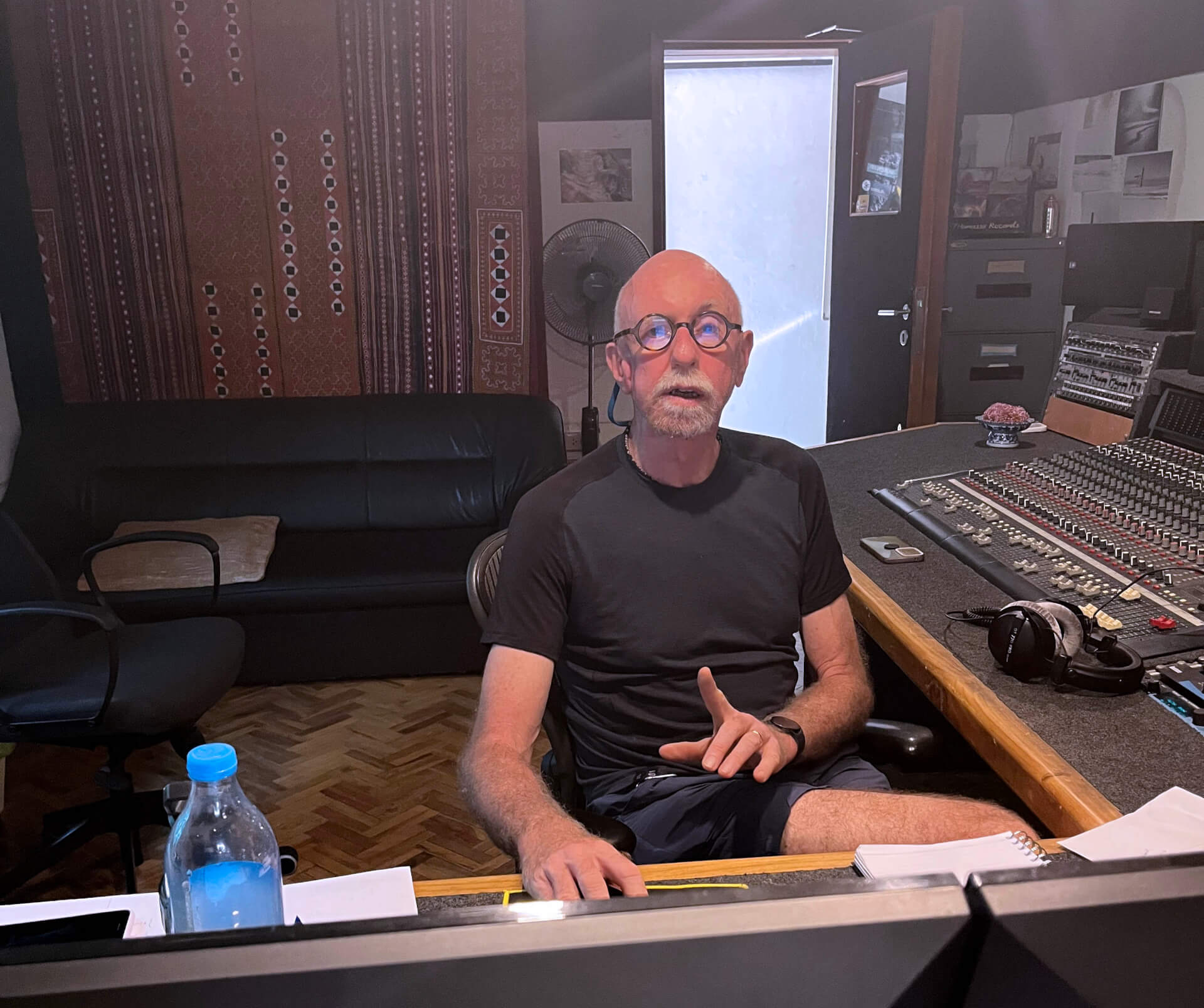
In the urban jungle of northern Thailand, where scooters meet spirits and concrete evaporates in the monsoon, a sonic bunker vibrates the mountains of Chiang Mai. Behind the machines, Thomas Van Nes, self-imposed exile and frequency sculptor. Experienced and lively, this young man has planted his flag in the lands of Siam to offer a refuge for free voices and wild beats. In this lair of musical alchemy, the Shogun has set down his suitcases. A meeting in his studio.
Thomas, you’ve been living in Thailand since 1992, and you built your studio. What brought you here, and what inspired you to create your own music production space?
Actually, I have been living in Chiang Mai since late 1986, 1992 is when I built the house. After finishing university with a degree and our bluegrass band in the Netherlands splitting up, I wanted to travel to Asia. I had a one-year ticket with stopovers in several countries and the plan was to stay in Thailand for 2 months. But once I arrived in Chiang Mai, plans changed. I was playing music from day one and got offered a job as trekking guide. That led to buying a guesthouse business. That first yea,r I stayed about 8 months in Thailand, of which 7 in Chiang Mai. In between, I went busking in Hong Kong and Japan. Over the years, many visits to Japan followed, as it was a good time for a one-man band to play there. After a while, I got a family and was not so interested to play in the evenings and to travel for it. So studio and own production place was a logical choice.
How would you describe Chiang Mai’s music scene when you arrived, and how has it evolved since then?
It was very small in those days. No bands, and of course the places were small too. The Riverside had maybe about 8 or 10 tables and was the happening place. Most of the live music was acoustic, with a blend of Americana. By now, not only has the scale changed with more and bigger venues and therefore bigger bands, but you can also hear much more diverse styles, like Jazz, but also DJs.
Your studio is a place where various influences intersect. Can you tell us about the local artists you’ve collaborated with?
I’ve done several projects with the Northern Classical ensembles. There is one master in the North (Khru Add) that I’ve done collaborations with since the late 90’s. Also, Rasmee recorded two albums which won several awards, album of the year amongst them. Working also on voice overs with some great video creators.
In your studio in Chiang Mai, how do you approach the balance between digital and analog?
I would describe it as the ease of digital capture, editing and storage together with the, to my ears and feeling, unsurpassed warmth of analogue sound from both board and outboard processors. It limits your options once you’ve made a mix as there is no recall on the board. So, it helps you to decide that you’re finished with a song.
What role does your studio play today in both the Thai and international music scenes? Do you have a clear vision of its impact?
I’m always happy to help anybody with their production/dream/idea, but don’t see myself having an impact on any big scale. My own label, THomasso Records, is too small for that. I’m more interested in the music than in promoting or selling it. I have always enjoyed my collaborations with the Nepali musicians tremendously. (THomasso is an independent record label producing music for relaxation and contemplation since 2004 – Editor’s note).

For over 30 years, you’ve witnessed the fusion of traditional and modern music in Thailand. Are there any projects or artists that particularly embody this evolution, in your opinion?
Khru Add has done a bunch and branched into Luk Thung, and also Rasmee has taken her originally Khmer and North Eastern music to a new level incorporating modern western instruments. Also, in Nepal, I’ve seen a lot of fusion happening. Just did a fusion project with an American singer/songwriter and her first song from that production is out. You can check it out here in my Spotify.
As a multi-faceted artist, how do you balance your own creative work with the production work for other musicians?
That’s no problem. The funny thing is, once I’m working on a project, be it my own or for one of my customers, I’m totally into that project. Can’t turn it off, hear the songs all the time, dream them. But once it’s finished, it’s gone and I’m empty again for whatever is next.
What are your current projects and ambitions for the future? Is there any collaboration that particularly excites you?
Have been doing some work with Harry Manx, basically adding Nepali musicians to his unique slide guitar style. And as it looks, I will be working more with Erin Kamler from the link in 5.
Vinyl holds a special place in global music culture, between being a collector’s item, listening medium, and performance tool. How do you perceive its impact here in Thailand? Is it still a living format in Chiang Mai? And as a sound professional, what does vinyl represent to you?
Vinyl has made a worldwide come back here too. Commercially, though, it is not a viable medium and the audiences are limited to audio files and DJ’s. I still have my collection here and 2 turntables. It has been a few years, though, since I last played one.
Thailand attracts many foreign musicians and producers. What do you think is behind this attraction, and what advice would you give to an artist who wants to settle here?
What can I say? It’s a great place to live. To anybody that would like to settle, I would like to say to come over and stay for a full year first before finalizing. All season’s are definitely worthwhile going through. Also, travel around and see/feel where you feel most comfortable.
Interviewed by Shogun / Photos Wang ô.